FACADE LIGHTING

FACADE LIGHTING
INTEGRATED OUTDOOR LIGHTING
BRINGING A BUILDING TO LIFE
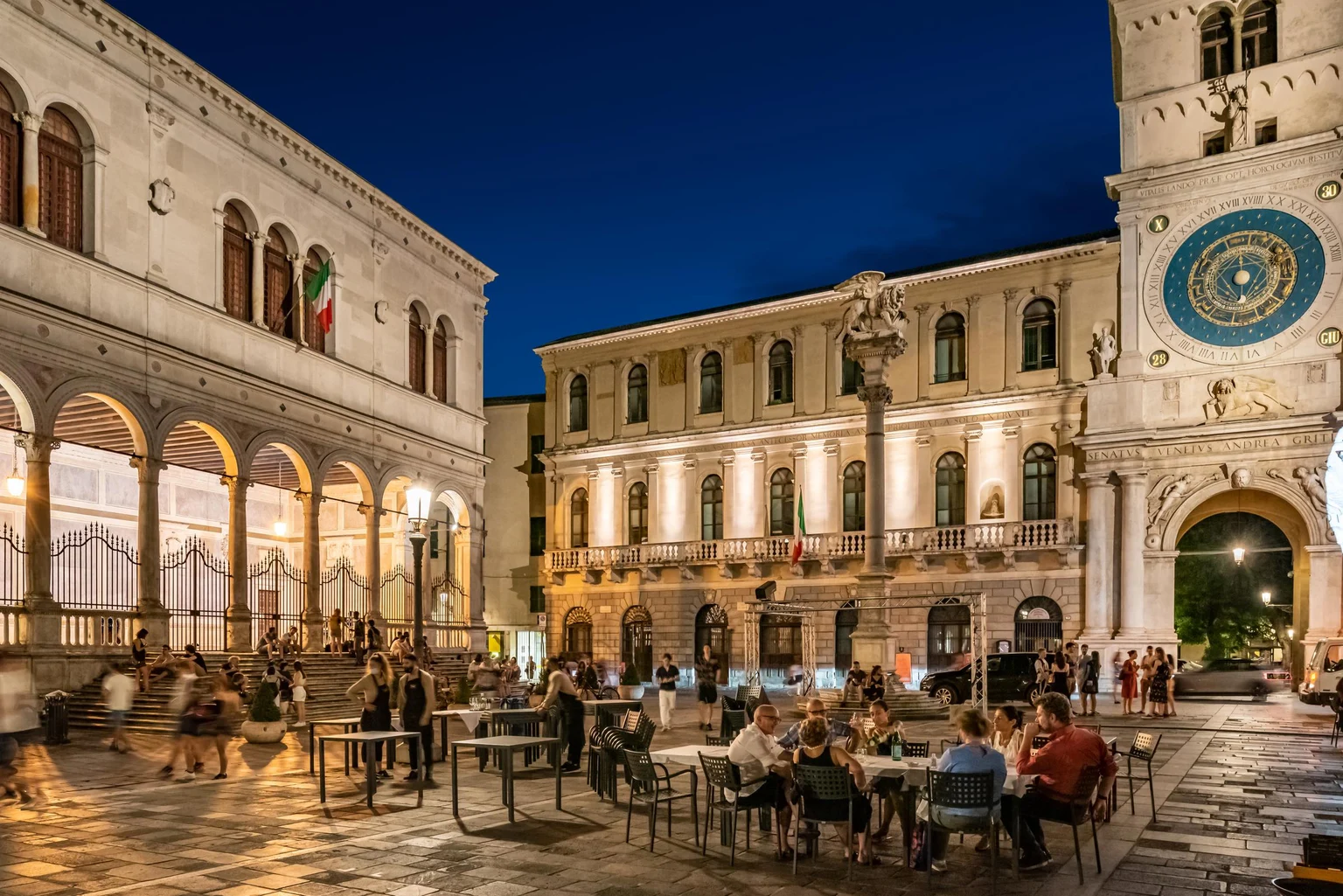
A lighting scheme can influence whether we will come back again, it helps shape an urban space in the hours of darkness, bringing out the materials, textures & finishes of a building or space. New technologies have enabled lighting to be considered earlier in the design process allowing for the luminaires to be integrated providing a seamless & integrated solution so that by day the building is seen in full view and then by night the luminaires and the lit effect brings it to life.
KEY FACADE LIGHTING CONSIDERATIONS
Context
The role within the community
Lighting external façades brings value and interest to an urban environment - it brings people into a community and thereby brings investment. Architectural lighting can include a complete plaza or a street, it is not always only a single façade. By considering the role the building(s) play in the community and how one façade is balanced with another, we are able to create point of reference within an urban environment, using light as meeting points, points of destination, communal space in the hours of darkness.
KEY CONSIDERATIONS
COLOUR
CREATING VISUAL IMPACT
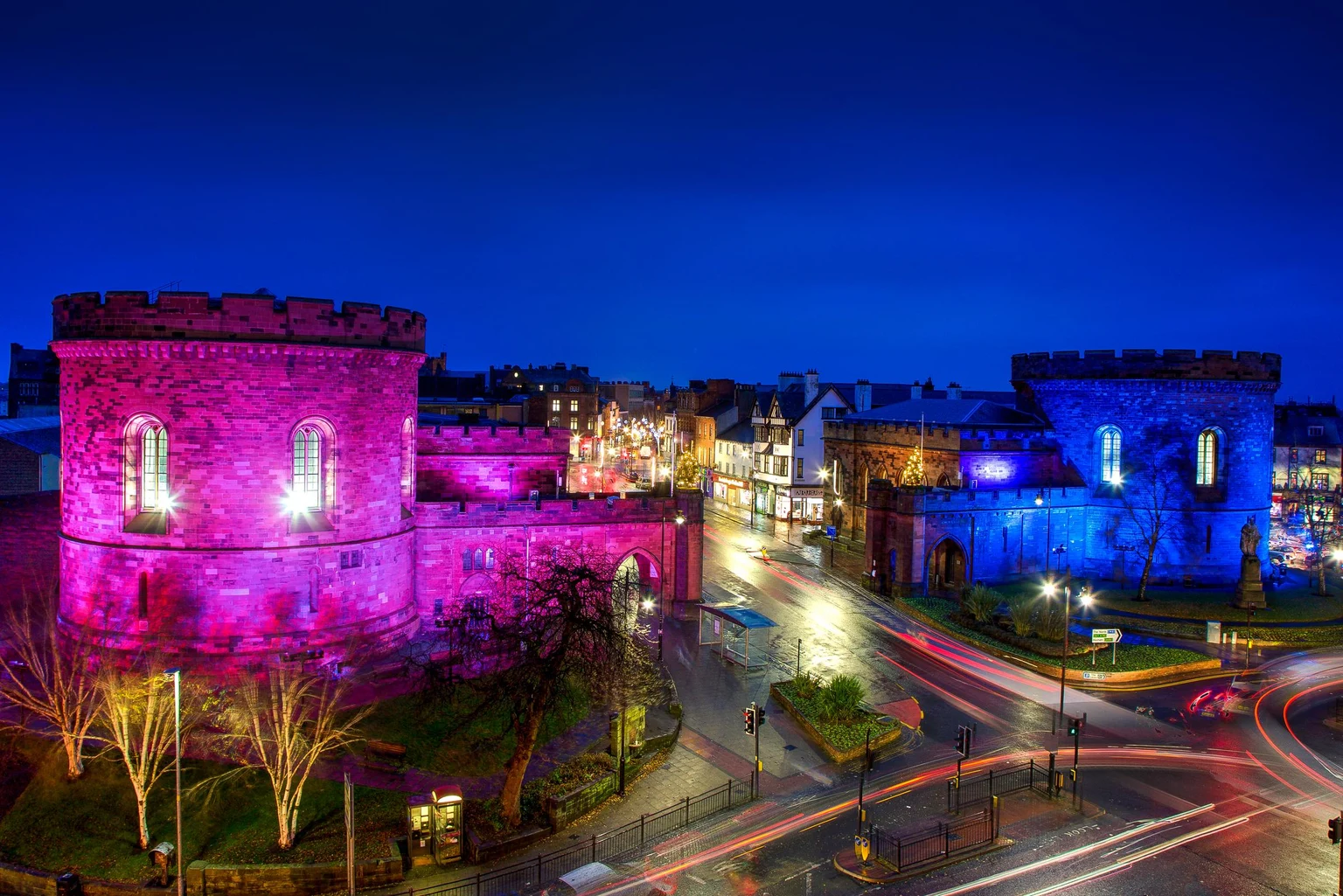
Modern building techniques have meant that the colour of the light used can draw out the colour and finish of a façade. An example is CorTen steel (weathering steel) with the rusting orange textured finish, but in the hours of darkness if it is not lit it disappears. If warm white light is projected upon the façade the colour and warmth begins to be defined, and if the contrast upon the façade is varied by ‘picking out’ architectural details by using different beam angles then the character is further defined. Where colour is implemented it can be used to represent an activity, a movement, a special occasion. Bringing a new positive visual impact to an urban space whilst also creating an atmosphere or particular ambience for specific moments in time.
KEY CONSIDERATIONS OF FACADE LIGHTING
CONTROL
Setting the Scene
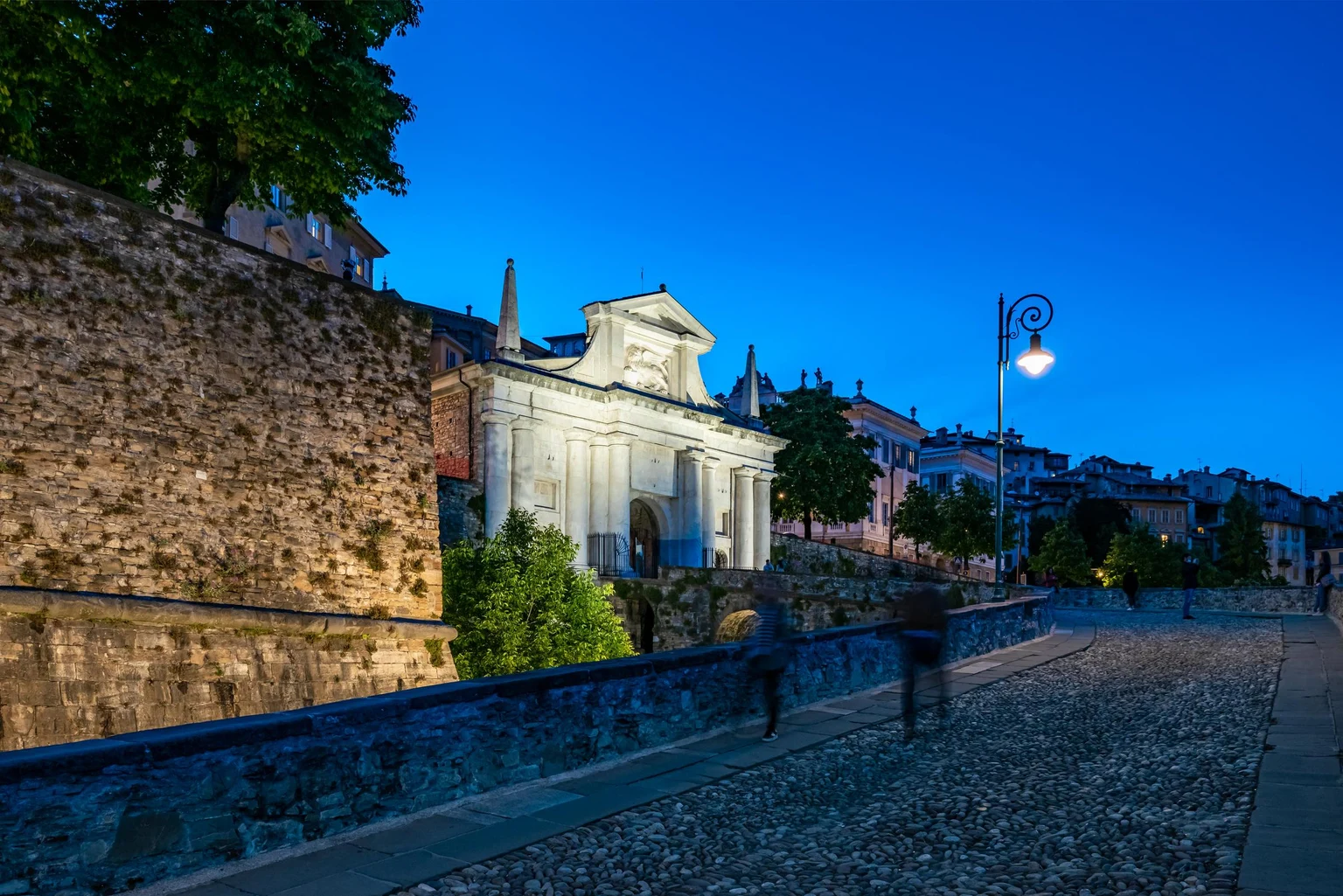
Lighting control doesn’t have to mean blue to red to yellow over three seconds! It can be the play of the intensity of the light, a change from warm white to cool white. Having only a few defined scenes of light that change automatically over a year during the seasons. The control of the lit effect on a facade can enable the viewer to have a new experience, a different view of the space around them because of how it is controlled, changing the identity and thereby the look and feel of a space each time they return. How the external space is used at night can inform the control of lighting, as the hours of darkness grow into the early hours of the following day that not all of the scheme is still on ensuring that the lighting levels are appropriate to the use of the space, helping to reduce costs.